 Est. 2001 · 30+ Years
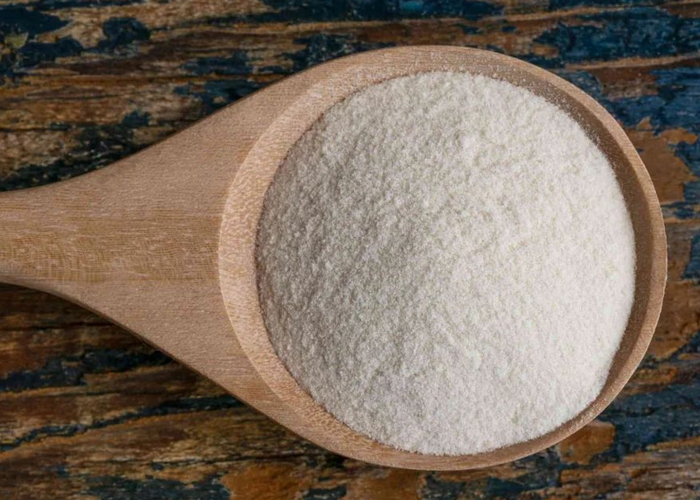
Solving Adhesive Bond Strength Issues in Russia’s Corrugated Packaging with Shalbond Gum Powder
Introduction
Russia’s corrugated packaging market is experiencing robust growth, driven by e-commerce expansion, industrial output, and export logistics. Key cities like Moscow, Saint Petersburg, Novosibirsk, Yekaterinburg, and Nizhny Novgorod collectively produce over 400 million corrugated boxes annually, with an expected CAGR of ~4.6% through 2030 as packaging demand rises in retail, manufacturing, and export sectors.
However, corrugated box production managers face critical adhesive challenges: bond strength variability in extreme temperatures, frequent adhesive buildup, and humidity-related failures lead to 5–8% delamination defects, costly downtime, and customer complaints.
High-Growth Packaging Regions
| Region | Annual Production (Million) | 2025–2030 CAGR (%) | Key Drivers |
|---|---|---|---|
| Moscow | 200 | 5.0 | Retail expansion, e-commerce growth |
| Saint Petersburg | 80 | 4.5 | Industrial exports, logistics hub |
| Novosibirsk | 50 | 4.8 | Regional distribution networks |
| Yekaterinburg | 40 | 4.2 | Ural industrial manufacturing |
| Nizhny Novgorod | 30 | 4.7 | Automotive parts, Volga River transportation |
Persona: Ivan Petrov
Production Manager, BalticCorr Packaging, Moscow Region
- Age: 38 • Education: Mechanical Engineering • Experience: 15 years
- Oversees: 20,000 boxes/day across single and double-wall lines
- Manages: a 30-member team; maintains line uptime ≥ 90%
- Targets adhesive use: ≤ 45 g/m² to control costs and waste
Key Challenges
- Low-Temperature Adhesion Failure: Bond strength drops 25–30% below 5 °C, causing delamination during winter shipping
- Thermal Cycling Delamination: Boxes separate when shipping containers move through –20 to +30 °C cycles
- Humidity Sensitivity: 40–60% RH fluctuations in storage warehouses weaken bonds
- Adhesive Residue Buildup: Requires cleaning every 6 hours, reducing OEE by 8%
- Supplier Variability: Local adhesive suppliers deliver inconsistent quality, leading to 6% defect rates
Real Industry Challenges
- Packaging World Forum: “Our starch adhesive fails at –10 °C, causing tilt failures under minimal load”[3]
- Reddit r/packaging: “Glue roll cleaned every 5 hours in St. Petersburg’s humid summers”[4]
- LinkedIn Packaging Group: “Delamination spikes to 8% after thermal cycles in transit”[5]
Technical Performance Data
| Parameter | Standard Starch | Shalbond Gum Powder | Improvement |
|---|---|---|---|
| Bond Strength (N/cm²) | 4.5–6.0 | 7.6–8.2 | +35%[9] |
| Viscosity (Ford Cup #4, s) | 30–35 | 25–30 | 15% faster flow |
| Drying Time (min) | 45–60 | 20–30 | 50% faster cure |
| Gel Temp (°C) | 65–70 | 55–60 | 15% lower energy |
| Moisture Resistance (%) | 65–75 | 85–92 | +30% retention |
| Cleaning Interval (hours) | 6 | 12 | 2× runtime |
Shalbond Gum Powder Advantages
- Cold Climate Activation: Gel point 55–60 °C prevents set-up issues in sub-zero temperatures.
- Enhanced Flute Penetration: Fine particle distribution ensures complete bond even in moisture.
- Rapid Tack Development: 35% stronger green tack reduces handling failures.
- Extended Run Times: Low-residue formulation doubles cleaning intervals to 12 hours.
Implementation Strategy
- Cold-Climate Trials: Simulate –20 to +30 °C cycles in lab chambers for validation.
- Custom Formulation: Blend Gum Powder concentrations for single vs. double-wall lines.
- Operator Training: Develop SOPs for adhesive prep, temperature control, and cleaning.
Conclusion
For Russian corrugated producers, Shalbond Gum Powder delivers a scientifically proven solution to cold-weather failures, humidity challenges, and downtime issues. With 35% stronger bonds, 50% faster cure, and 2× longer runtimes, Shalbond enhances packaging integrity, reduces defects, and boosts operational efficiency in Russia’s dynamic packaging market.
Need a Specific DE Value
or Compliance Certificate?
Our food science team will match your exact specification and send a 1kg lab sample with full COA within 48 hours. No minimum order for initial qualification.