📍 Manufacturing: Gwalior, MP  |  +91 89897 00688  |  info@shalbond.com
Est. 2001 · 30+ Years
For Corrugated Box & Packaging Manufacturers

Your Line Runs at
300 MPM.
Your Glue Should Too.

Adhesive failures, pump blockages, and humidity-induced delamination don't just slow you down — they kill your throughput and contracts. Shalbond engineers corrugation gum powders that match your exact machine speed, paper grade, and climate conditions.

Talk to Our Technical Team

Describe your line speed, paper grade, or challenge. We respond within 4 hours.

48-hour sample dispatch guarantee
Custom formulations — not generic quotes
ISO 9001 & ISO 14001 certified
Problems We Solve

If You Run Corrugators,
You Know These Headaches.

We've heard them thousands of times. Our formulations are built around eliminating them — not just managing them.

Pump Blockages & Line Stoppages

Generic gum powders gel under heat and clog nozzles mid-run. Every stoppage costs 45–90 minutes of production time.

💧

Delamination in High Humidity

Coastal and monsoon-season plants see bond failures when ambient humidity exceeds 70%. Rejections spike and clients complain.

🌡️

Cracking in Hot, Dry Climates

In Rajasthan, Gujarat, and Middle East operations — summer heat causes board cracking before it even leaves the line.

📉

Viscosity Drift at Speed

At 250–300 MPM, even slight viscosity inconsistency causes uneven glue distribution. BCT scores suffer and clients reject shipments.

💰

High Gum Consumption Per MT

If you're applying 18–22 kg/MT, your formulation is underperforming. Every extra kilogram is margin lost.

⚗️

Caustic Handling & Safety Risks

Plants running caustic-based gum face OSHA compliance gaps, worker safety incidents, and chemical storage costs.

How Shalbond Solves Each One

⚠ The Problem
🔴
Pump clogging & line stoppages

Gum gels at 60–70°C in glue pots

🔴
Humidity-induced delamination

Bond fails in >70% RH environments

🔴
Board cracking in hot/dry weather

Brittle bonds when temp exceeds 38°C

🔴
High gum consumption

18–22 kg/MT eating into your margins

🔴
Caustic handling risk

OSHA gaps, worker safety incidents

✅ The Shalbond Solution
🟢
Anti-gel, clog-free formulation

Stable viscosity up to 300 MPM; nozzle-safe powder chemistry

🟢
Quick Drying Agent (High Humidity)

Purpose-built additive for coastal & monsoon plants — holds bond in >85% RH

🟢
Anti-Cracking Agent (Hot/Dry)

Flexible film former prevents brittle bonds in arid/summer conditions

🟢
High-solids formulations

Lower dosage required: 13–15 kg/MT typical vs 18–22 with generics

🟢
Full Caustic-Free range

Neutral gum powders with identical bond strength — zero chemical handling risk

300
MPM Tested & Validated
Line Speed
15%
Average Reduction in
Gum Consumption
48h
Sample Dispatch
Guarantee
30+
Years of Starch
Chemistry Expertise
Full Product Range

Formulations for Every
Corrugation Setup

Each product is matched to a specific machine type, process condition, or climate need — not sold as a one-size-fits-all commodity.
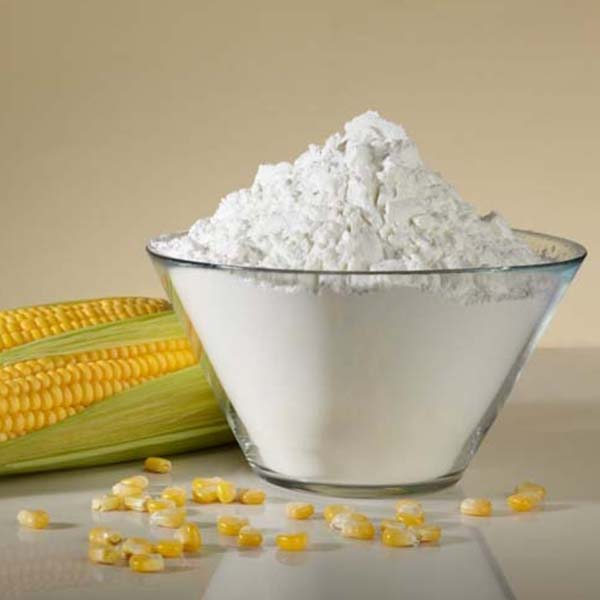
Gum Powder – Auto Plant (With Caustic)
Auto Plant · With Caustic

Gum Powder – Auto Plant (With Caustic)

Engineered for fully automatic corrugators with caustic activation. Stable viscosity at high throughput, fast film formation, superior kraft adhesion.
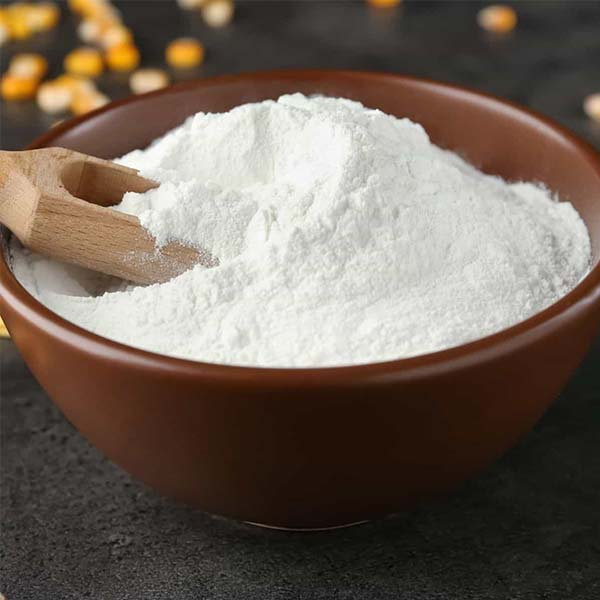
pH 8.0–10.5Moisture 10–12%90 Mesh25/50 kg bags
Gum Powder – Auto Plant (Caustic Free)
Auto Plant · Caustic Free

Gum Powder – Auto Plant (Caustic Free)

Zero caustic. Equal bond strength. For plants seeking OSHA compliance without sacrificing machine speed or adhesion performance.
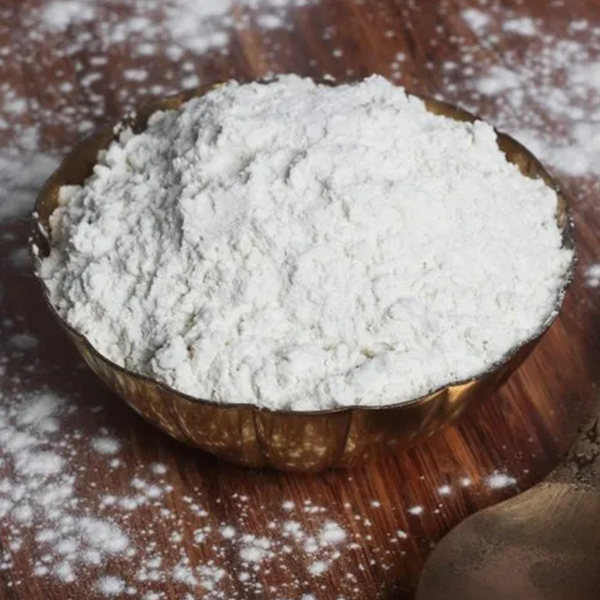
Neutral pHClog-free300 MPM rated
Pasting Gum Powder – Semi-Auto Plant
Semi-Auto · Pasting

Pasting Gum Powder – Semi-Auto Plant

Optimised for semi-automatic pasting. Consistent dissolution, even spread, and strong green tack for reliable bonding across all kraft grades.
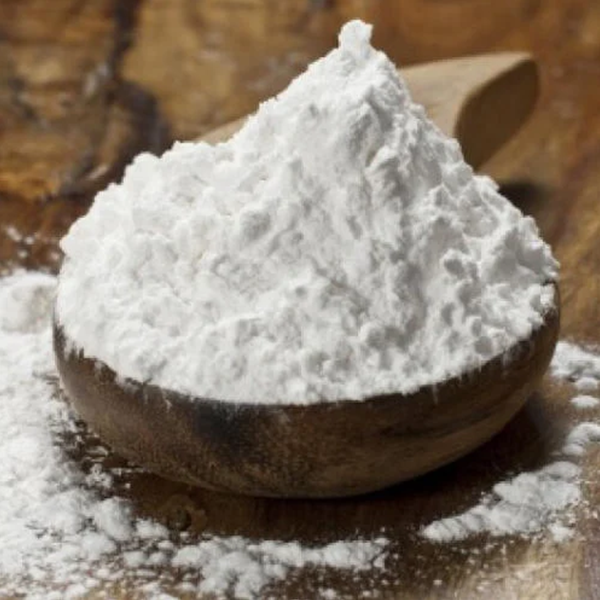
Fast dissolvingHigh green tack
Corrugation Gum Powder – Semi-Auto Plant
Semi-Auto · Corrugation

Corrugation Gum Powder – Semi-Auto Plant

Tuned for corrugating medium bonding in semi-auto setups. Precise penetration depth, fast board release without warping.
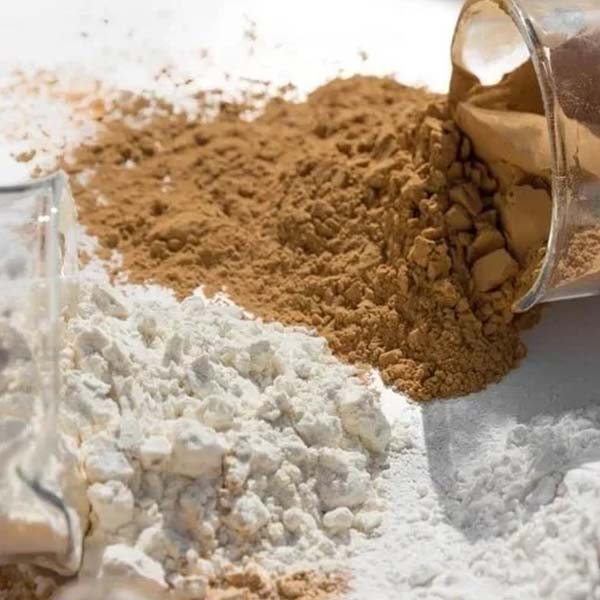
Controlled penetrationLow warp
Neutral Pasting Gum Powder (Caustic-Free)
Neutral · Pasting

Neutral Pasting Gum Powder (Caustic-Free)

Neutral pH formulation for pasting operations. Handles all paper grades including recycled fibre without corrosive chemistry.
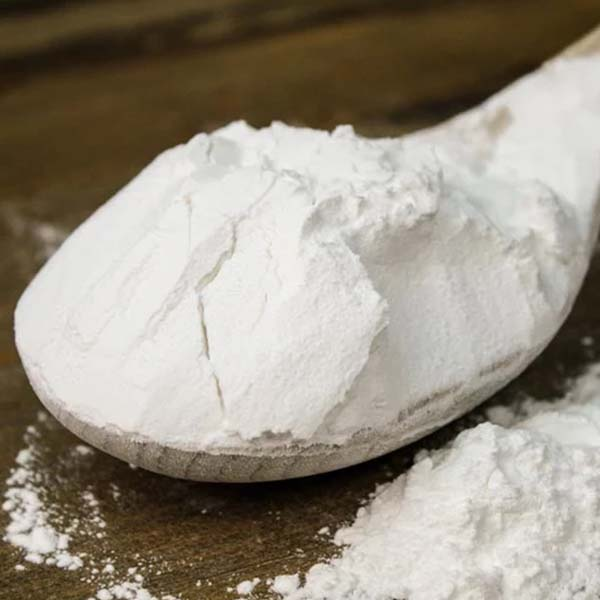
pH NeutralRecycled paper safe
Neutral Corrugation Gum Powder (Caustic-Free)
Neutral · Corrugation

Neutral Corrugation Gum Powder (Caustic-Free)

High-performance caustic-free corrugating adhesive. Maintains bond integrity under temperature and humidity variation. Preferred for food-grade box manufacturers.
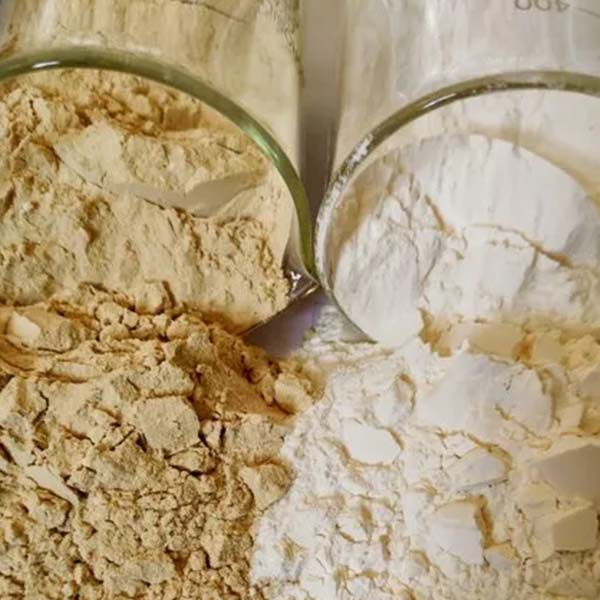
Food-grade box safeClimate stable
Flute Laminator Gum Powder
Laminator

Flute Laminator Gum Powder

Engineered for high-speed single-facer and laminator applications. Precise gelatinisation temperature, strong flute tip adhesion, fast bond under roller pressure.
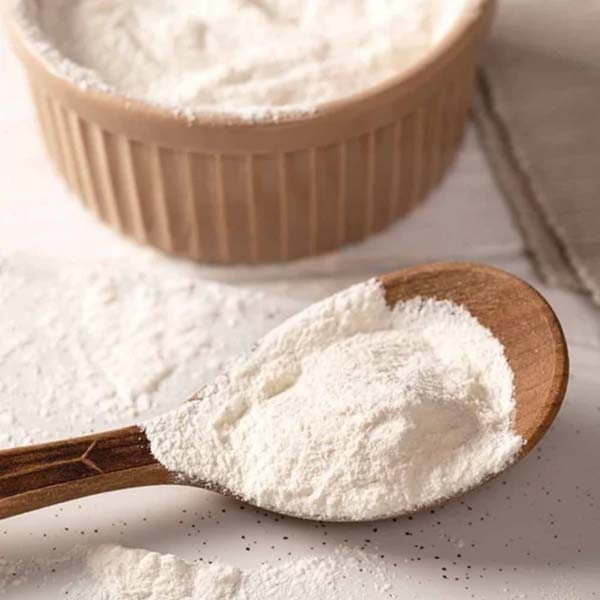
High flute tip tackPrecise gelatin temp
Paper Core & Tube Gum Powder
Paper Core / Tube

Paper Core & Tube Gum Powder

Formulated for spiral and parallel-wound paper cores and tubes. High solids content, strong mandrel release, suitable for jumbo roll cores and textile tubes.
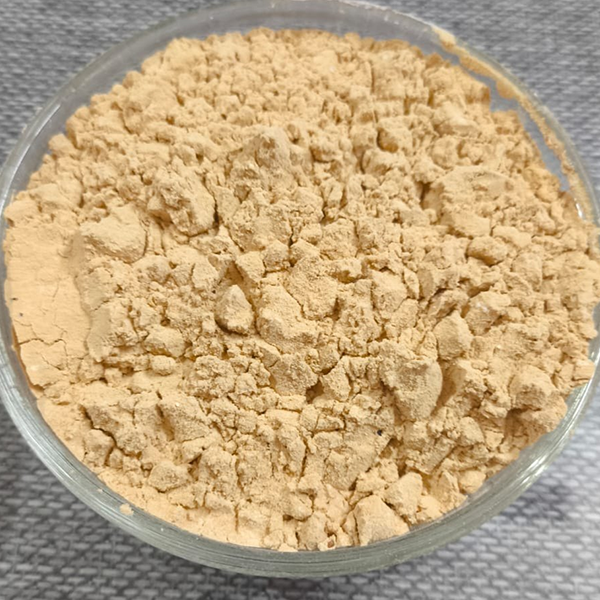
High solidsMandrel releaseTextile tube rated
Quick Drying Agent (High Humidity)
⚡ Specialty Additive
High Humidity

Quick Drying Agent

Add-on accelerator for coastal plants and monsoon seasons. Cuts drying time by up to 30% — prevents inter-ply delamination before stacking.
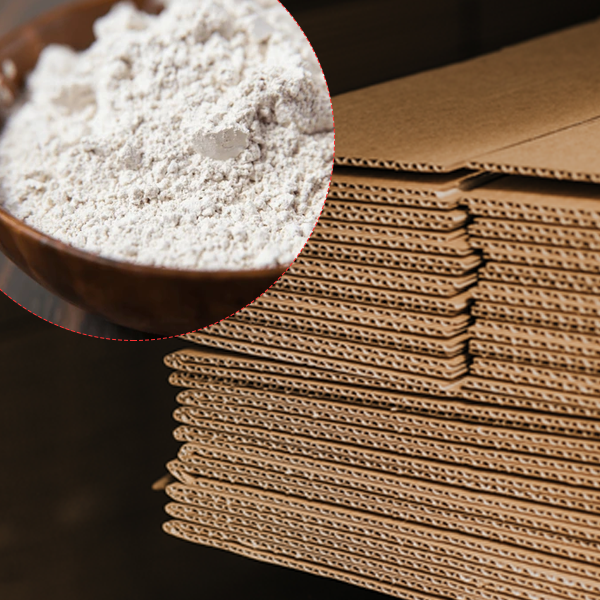
Works at >85% RHDosage: 1–3%
Anti-Cracking Agent (Hot & Dry)
⚡ Specialty Additive
Hot & Dry Weather

Anti-Cracking Agent

Prevents board cracking and brittle bond failure in hot-dry climates. Flexible film former maintains ductility when ambient temp exceeds 38°C.

Works at >38°CFlexible film former

Not Sure Which Formulation
Fits Your Line?

Tell us your machine speed, paper grades, and climate conditions. Our technical team will prescribe the exact gum powder — not guess.
For Paper Mill Operations Managers & R&D Heads

Retention Losses and
Weak Surface Sizing
Are Formulation Problems.

If your wet-end retention is below 85% or your surface-sized paper is failing Cobb tests — the chemistry needs fixing, not your process settings. Shalbond's modified starches are engineered to the specific furnish and machine speeds of modern paper mills.

Speak to a Paper Chemist

Share your furnish type, GSM range, or sizing challenge. Response within 4 hours.

COA & TDS on every shipment
Custom DS (Degree of Substitution) available
ISO 9001 & 14001 certified
Problems We Solve

Paper Mill Challenges That
Cost You Tonnes Every Month

These aren't complaints — they're measurable losses driven by the wrong starch chemistry.

Poor Fiber Retention at Wet-End

Low retention efficiency means fine fibers pass through the wire and end up in white water. Every 5% drop in retention is cost walking out your effluent pipe.

📋

Failing Cobb & Surface Sizing Tests

Under-performing oxidised starch at the size press results in paper that fails water absorption tests and gets returned by converters and printers.

🫧

Foam & Defoamer Overuse

Excess foam in the headbox and process water disrupts sheet formation and drives unnecessary chemical cost in defoamers that often create their own problems.

💪

Poor Bursting & Tensile Strength

If your kraft paper fails tensile or burst tests at QC, the starch-to-fiber bond in the wet section isn't doing its job. Cationic charge management is the fix.

📉

Coating Viscosity Instability

Dextrin-based coatings that drift in viscosity across a shift cause streaking, uneven coat weight, and press downtime for re-setting.

💰

High Chemical Cost per Tonne

Over-dosing cationic starch to compensate for low DS is a hidden cost most mills don't audit until they switch suppliers.

Chemistry That Fixes the Root Cause

⚠ The Problem
🔴
Low fiber retention at wet-end

Sub-85% retention; white water loading

🔴
Failed Cobb / surface sizing tests

Oxidised starch not building water resistance

🔴
Persistent foam in process water

Sheet formation disrupted; defoamer overuse

🔴
Weak burst & tensile strength

Fiber-starch bonding insufficient

🔴
Coating viscosity drift

Uneven coat weight; press downtime

✅ The Shalbond Solution
🟢
Cationic Starch — calibrated DS

Custom degree of substitution matched to your furnish. Improves retention to 88–92%.

🟢
Oxidised Starch — controlled viscosity

Consistent fluidity index at size press. Meets Cobb60 targets across GSM range.

🟢
Shalbond Defoamers — process-compatible

Silicone and non-silicone grades matched to your pH and temperature window. No re-foaming.

🟢
Carboxymethyl Starch (CMS)

Dual-function strength additive. Improves burst index without overdosing.

🟢
White/Yellow Dextrin — coating grade

Narrow viscosity bands, consistent Brookfield readings. Stable across 8-hour shifts.

88–92%
Typical Wet-End Retention
with Cationic Starch
Custom
DS Levels Available
per Furnish Type
48h
Sample + COA
Dispatch Time
6
Specialised Paper Mill
Chemistry Products
Full Product Range

Starch Chemistry for
Every Stage of the Paper Machine

Wet-end to coating — each product is engineered for a specific function, not generic use.

Cationic Starch (Paper & Corrugated Box)
Wet-End · Retention

Cationic Starch

Cationic charge attracts to negatively charged fibres and fines, improving drainage rate, retention efficiency, and paper strength — especially in recycled furnish.

Custom DSHigh-cationic gradesRecycled furnish ratedCOA on delivery
Oxidized Starch
Surface Sizing · Coating

Oxidised Starch

Low viscosity, high fluidity oxidised starch for size press and coating. Builds surface strength, reduces linting, and improves Cobb values and print receptivity.

Low viscosityCobb60 testedSize press rated
Carboxymethyl Starch (CMS)
Strength · Sizing

Carboxymethyl Starch (CMS)

High-substitution anionic starch for wet-end and surface applications. Improves ring crush, burst, and tensile strength. Compatible with most wet-end chemical programmes.

AnionicDual-end useBurst index improver
White Dextrin
Coating

White Dextrin

High-purity white dextrin for paper coating. Excellent film forming, narrow viscosity window, and consistent cold-water solubility. Ideal for coated duplex and FBB grades.

Cold-water solubleNarrow viscosityCoated grades
Yellow Dextrin
Coating

Yellow Dextrin

Thermally converted dextrin for surface coating and adhesive formulations. Higher solids tolerance, excellent adhesion. Used in carbonless and specialty paper.

High solidsSpecialty paperCarbonless rated
Defoamers
Process Chemistry

Defoamers

Silicone and non-silicone defoamer grades for headbox, white water, and saveall applications. Matched to your pH and temperature window. Prevents re-foaming and sheet holes.

Silicone gradeNon-silicone gradepH 5.5–9.0

Running Below 85% Retention?
That's a chemistry fix, not an ops fix.

Share your furnish data, DS requirements, or Cobb targets. We'll recommend the right grade and send a sample in 48 hours.

For Textile Mill Technical Managers & Weaving Plant Heads

Warp Breakage and
Loom Stoppages Start
With Poor Sizing Chemistry.

Every warp break on an Air-Jet or Rapier loom costs you 8–12 minutes. When your sizing recipe can't keep up with loom speed or yarn count variation, no amount of tension adjustment will fix it. Shalbond's textile sizing starches are formulated to the exact viscosity, film strength, and adhesion specs your loom demands.

Talk to Our Sizing Specialist

Share your loom type, yarn count, and sizing problem. We'll recommend a recipe.

Sizing recipe support included
Custom viscosity per yarn count
48-hour sample dispatch
Problems We Solve

Sizing Problems That Kill
Your Loom Efficiency

If your sizing is off, no process adjustment compensates. These are the most common failure modes we fix.

🧶

High Warp Breakage Rate

If your warp breaks per 100m exceed 2–3, your size penetration or film flexibility is compromised. Fine counts on Air-Jet looms are especially sensitive.

📉

Size Box Viscosity Variation

If your starch doesn't hold viscosity across temperature swings in the size box, your pickup % drifts — and so does your loom efficiency and fabric quality.

⚙️

Shedding Difficulties

Stiff or brittle sized yarn creates shedding problems on high-speed looms. If the size film is too rigid, yarn breaks before the shed even forms.

🧪

Poor Desizing After Weaving

If desizing requires excessive enzyme or alkali use, your starch isn't easily hydrolysable — adding cost and time to your fabric finishing process.

🔬

Hairy Yarn & Surface Filamentation

Sizing that fails to bind surface fibres causes hairy warp that catches in loom parts, creating tension irregularities and fabric defects.

💨

Spray Starch Misting & Waste

Spray starch with inconsistent particle size results in uneven finishing, misting losses, and poor fabric hand feel on high-speed finishing ranges.

Sizing Chemistry for Every Loom Type

⚠ The Problem
🔴
High warp breakage

Poor film strength or penetration depth

🔴
Viscosity drift in size box

Unstable pickup %; variable GSM output

🔴
Brittle sized yarn; shedding problems

Stiff size film breaks before shed forms

🔴
Difficult desizing

High enzyme/alkali cost in finishing

🔴
Hairy warp; loom defects

Surface fibres not bound; tension irregular

✅ The Shalbond Solution
🟢
Oxidised Starch — warp sizing grade

Flexible film, controlled penetration. Reduces warp breaks by 40–60% in fine-count applications.

🟢
Thin Boiling Starch — stable viscosity

Narrow viscosity range across 60–95°C. Consistent pickup % regardless of size box temperature fluctuations.

🟢
CMS — flexible binder & thickener

Adds film flexibility. Reduces shedding on Air-Jet looms running 20s–60s counts.

🟢
Oxidised Starch — easy desize profile

Low acid/enzyme demand in desizing. Saves finishing chemistry cost.

🟢
Spray Starch — uniform particle grade

No misting, even film, consistent fabric hand. Suitable for cotton, blends, and synthetics.

40–60%
Warp Break Reduction
in Fine-Count Applications
Custom
Viscosity Profiles per
Yarn Count Range
Air-Jet
& Rapier Loom
Validated Grades
48h
Sample Dispatch
Guarantee
Full Product Range

Sizing Starches for
Every Yarn and Loom Type

Oxidised Starch
Warp Sizing · Finishing

Oxidised Starch

Primary warp sizing starch for Air-Jet and Rapier looms. High film strength, controlled penetration, flexible after drying — reduces warp breakage significantly in 20s–80s yarn counts.

High film strength20s–80s ratedAir-Jet compatibleEasy desize
Carboxymethyl Starch (CMS)
Warp Sizing · Thickener

Carboxymethyl Starch (CMS)

Anionic modified starch used as a co-binder and thickener in sizing formulations. Adds film flexibility, improves abrasion resistance, and reduces shedding on high-speed looms.

Co-binderFilm flexibilityAbrasion resistant
Spray Starch
Finishing · Warp Sizing

Spray Starch

Uniform particle-size spray starch for fabric finishing. Delivers consistent stiffness and hand feel without misting losses. Suitable for cotton, blends, and synthetic fabrics.

Uniform particle sizeNo mistingCotton & blends
Thin Boiling Starch
Warp Sizing · Viscosity Stable

Thin Boiling Starch

Acid-thinned starch with a narrow, stable viscosity profile across sizing temperatures. Prevents viscosity drift in the size box. Preferred for fine-count weaving on Air-Jet looms.

Narrow viscosity bandFine count ratedTemp stable

What's Your Loom Speed
and Yarn Count?

Tell us your current sizing recipe and the problem you're facing. We'll prescribe a drop-in replacement and ship a trial quantity in 48 hours.

For Food Technologists, R&D Heads & Agrochem Formulators

Compliance Isn't Optional.
Neither Is Exact DE Value.

Whether you're formulating a spray-dried product, a seed coating binder, or a food-grade adhesive — your starch and maltodextrin supplier needs to deliver exact DE values, clean microbial counts, and traceable batch documentation. Shalbond does. Every shipment.

Speak to Our Food Science Team

Specify your DE value, microbial limits, or compliance requirement. We'll match it.

FSSAI compliant — all food grades
ISO 22000 Food Safety certified
COA with microbial data on every batch
Custom DE values: 5–25 available
Problems We Solve

Where Food & Agro Formulators
Hit the Wrong Supplier

Most starch suppliers can deliver a sack. Very few can deliver compliance documentation, exact DE control, and batch-to-batch consistency.

📊

Inconsistent DE Values Across Batches

If your maltodextrin DE value drifts between orders, your encapsulation efficiency, spray drying performance, and product texture all vary — forcing reformulation and wasted batches.

📋

Missing or Inadequate Compliance Docs

FSSAI audits, FDA export clearances, and ISO 22000 registrations require traceable COAs with microbial limits, heavy metals, and moisture content. Suppliers who can't provide this block your exports.

🦠

Poor Microbial Cleanliness

Food-grade starch with total plate counts above 100 CFU/g is a recall risk. Non-food-grade suppliers contaminate batches that pass into finished products.

🌱

Seed Coating Binders That Fail Field Trials

Agrochem seed coatings with poor film forming or uneven coverage reduce germination rates and active ingredient adhesion in the field.

🔬

Wrong Solubility Profile

Using white dextrin where yellow dextrin is needed — or vice versa — results in formulations that don't behave in the process. Carrier performance and gel strength differ.

📦

MOQs That Block R&D

When your lab team needs 5 kg to validate a formulation, suppliers with 500 kg MOQs stall your project pipeline by weeks or months.

Purity, Traceability, and Exact Specs — Every Batch

⚠ The Problem
🔴
DE value drift across batches

Spray drying performance varies; reformulation needed

🔴
Missing compliance documentation

Exports blocked; FSSAI audit failures

🔴
High microbial counts

Recall risk; product quality failures

🔴
Seed coating film failures

Poor germination; active ingredient loss

🔴
Wrong dextrin type selected

Formulation doesn't perform; lab rework

✅ The Shalbond Solution
🟢
Maltodextrin — custom DE 5–25

Narrow DE tolerance (±0.5) per batch. Consistent spray drying and encapsulation performance.

🟢
Full compliance documentation

COA with microbial analysis, heavy metals, moisture, FSSAI / ISO 22000 certs on every shipment.

🟢
Microbial-tested food grades

TPC <100 CFU/g, Y&M <50 CFU/g. Internal QC + third-party tested.

🟢
Native Starch — agro binder grade

Film-forming native starch for seed coating. Tested for germination compatibility and active adhesion.

🟢
White & Yellow Dextrin — guided selection

Our technical team matches dextrin type to your application. No guessing.

Compliance & Quality

Documentation We Provide
on Every Shipment

Document / Certificate Applicable Products Standard Provided On
Certificate of Analysis (COA) All food & agro grades Internal QC + 3rd party Every batch
FSSAI Compliance Certificate Maltodextrin, White Dextrin, Yellow Dextrin, Native Starch FSSAI Act 2006 On request
ISO 22000 — Food Safety Management All food grades ISO 22000:2018 On request
Microbial Analysis Report Maltodextrin, Native Starch TPC, Y&M, Coliforms Every batch
Heavy Metal Test Report All food grades As, Pb, Hg, Cd On request
Moisture & DE Value Report Maltodextrin DE tolerance ±0.5 Every batch
Export LC Documentation All export orders Managed by Legal Head Per shipment
DE 5–25
Custom Maltodextrin
DE Range Available
FSSAI
& ISO 22000
Certified Facility
<100
TPC CFU/g
Food Grade Standard
48h
Lab Sample with COA
Dispatch Time
Full Product Range

High-Purity Starches for
Food & Agricultural Applications

Maltodextrin
Food Ingredient · Carrier

Maltodextrin

Custom DE values from 5 to 25. Used in spray drying, encapsulation, beverage powders, instant foods, and infant nutrition. Batch COA with DE, moisture, and microbial data on every order.

DE 5–25 customFSSAI compliantISO 22000COA every batch
White Dextrin
Food Grade · Binder

White Dextrin

Cold-water soluble white dextrin for food-grade adhesive and carrier applications. High purity, neutral taste and odour, excellent film forming. Used in food packaging adhesives, tablet coatings, and confectionery binders.

Cold-water solubleNeutral taste & odourFSSAI
Yellow Dextrin
Food Grade · Adhesive

Yellow Dextrin

Thermally converted dextrin with high solids tolerance and strong adhesion. Used in food-safe paper bags, food packaging gumming, and as a binder in food processing applications.

High solidsFood packaging ratedFSSAI
Native Starch
Agro · Seed Coating

Native Starch

Unmodified native starch for seed coating, soil conditioner, and agrochemical binding. Film-forming grade tested for germination compatibility. Provides uniform coat distribution and active ingredient adhesion.

Germination safeFilm formingSeed coating grade

Need a Specific DE Value
or Compliance Certificate?

Our food science team will match your exact specification and send a 1kg lab sample with full COA within 48 hours. No minimum order for initial qualification.

💬